
Easy Start Wizard
Not sure where to begin?
Tell us 3 things and we'll route you the best resources.
Free Resources, Built With Experts
Our content comes straight from scientists at the frontier of discovery— curated and adapted by our expert team of educators, scientists and artists for your K-12 classrooms.
Our units connect science to language arts, math, and social studies through rich storylines and real data that has often never been shared with the public.
No paywalls for core lessons. Optional GP+ adds editable files and workflow boosts.
Our mini-units are creative, inquiry-driven, and filled with original artwork and multimedia that connect current research to students' lives.
.jpg)
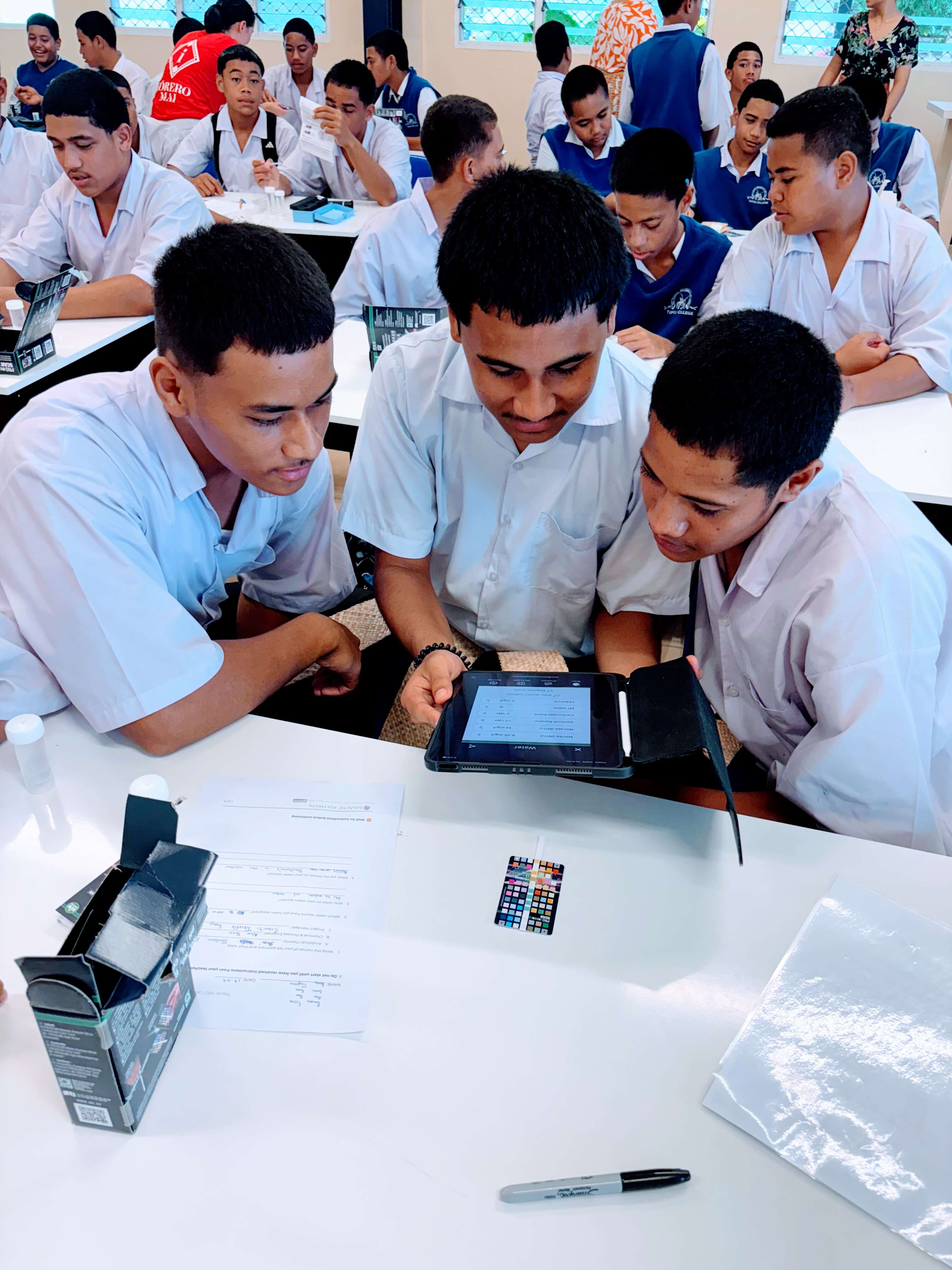
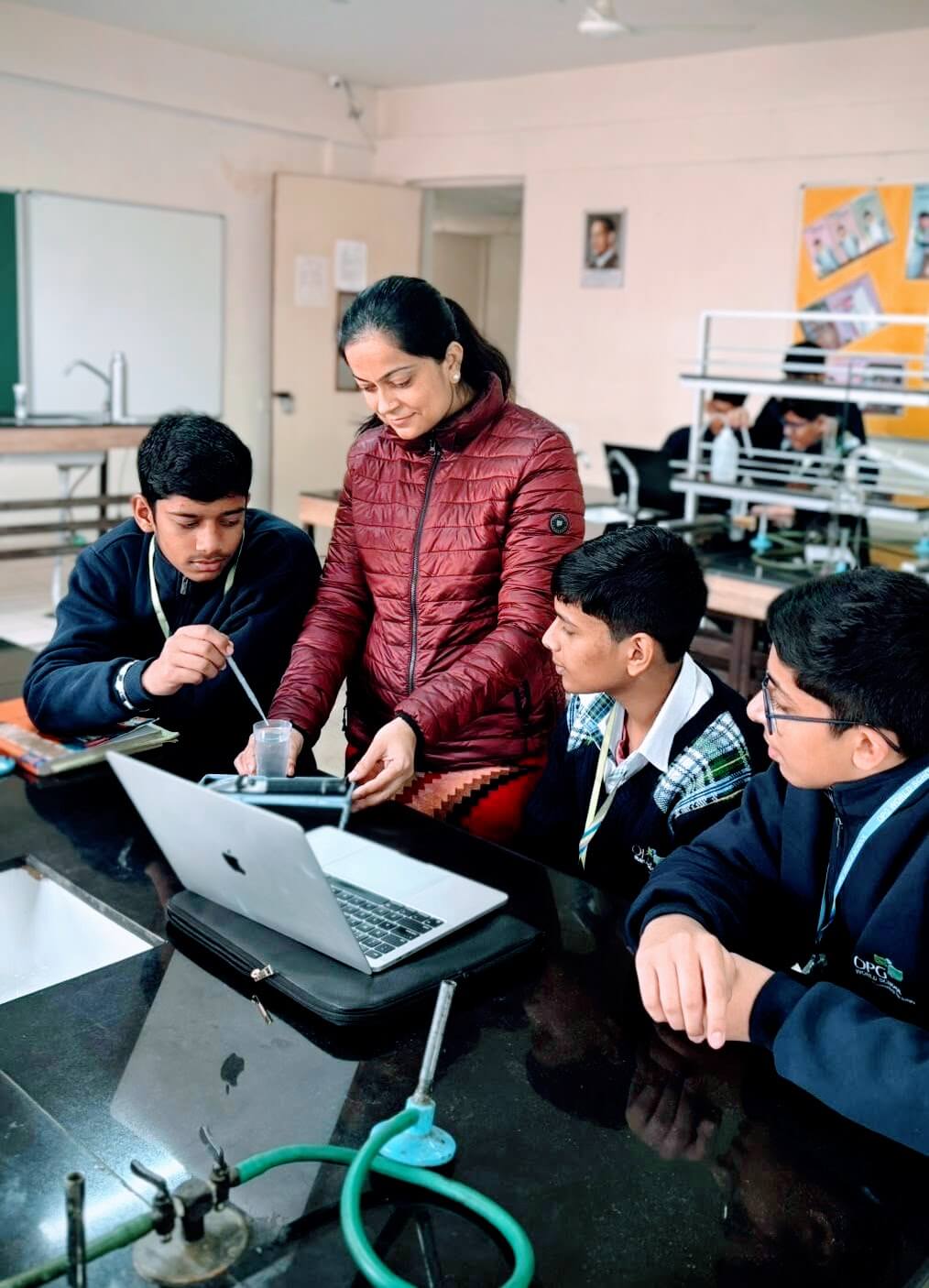
Join The GP Global Classroom
A growing community of educators and students worldwide.
Users
0
Students
0
Registered users and their total student reach
GP+ subscribers get added benefits and help keep the free tier available for all.
Start Here
Start with a personalized route or jump straight into a ready-to-teach launch lesson.
Easy Start Wizard
Tell us 3 things and we'll route you the best resources.
Launch Lesson
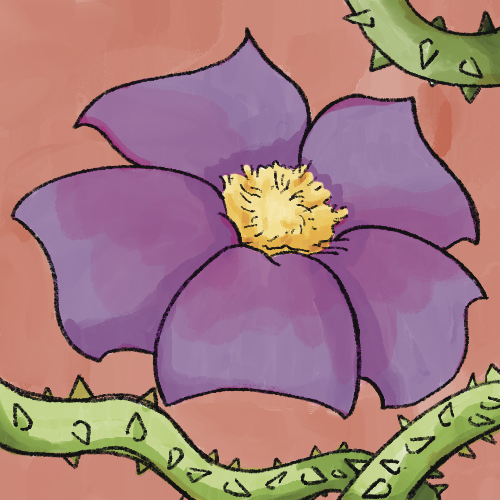
Introduce authentic science with diverse researchers and field stories.
Show MeNew + noteworthy
Ready-to-go units that check all the boxes!
.png) Updated
UpdatedTradeoffs in frogs, humans, and other animals
The Gist
Students will follow in the soggy footsteps of scientists wading through ponds at night to record frogs as they learn about biological tradeoffs that connect humans to horses to frogs. Along the way, they'll decide which male a female frog should choose as a mate, based on analysis of call performance.
Supporting Media
Latest from the GP Blog
Fresh ideas and standout stories from the Galactic Polymath community.
Featured Scientist, Guest Contributors | Lynne Peskoe-Yang
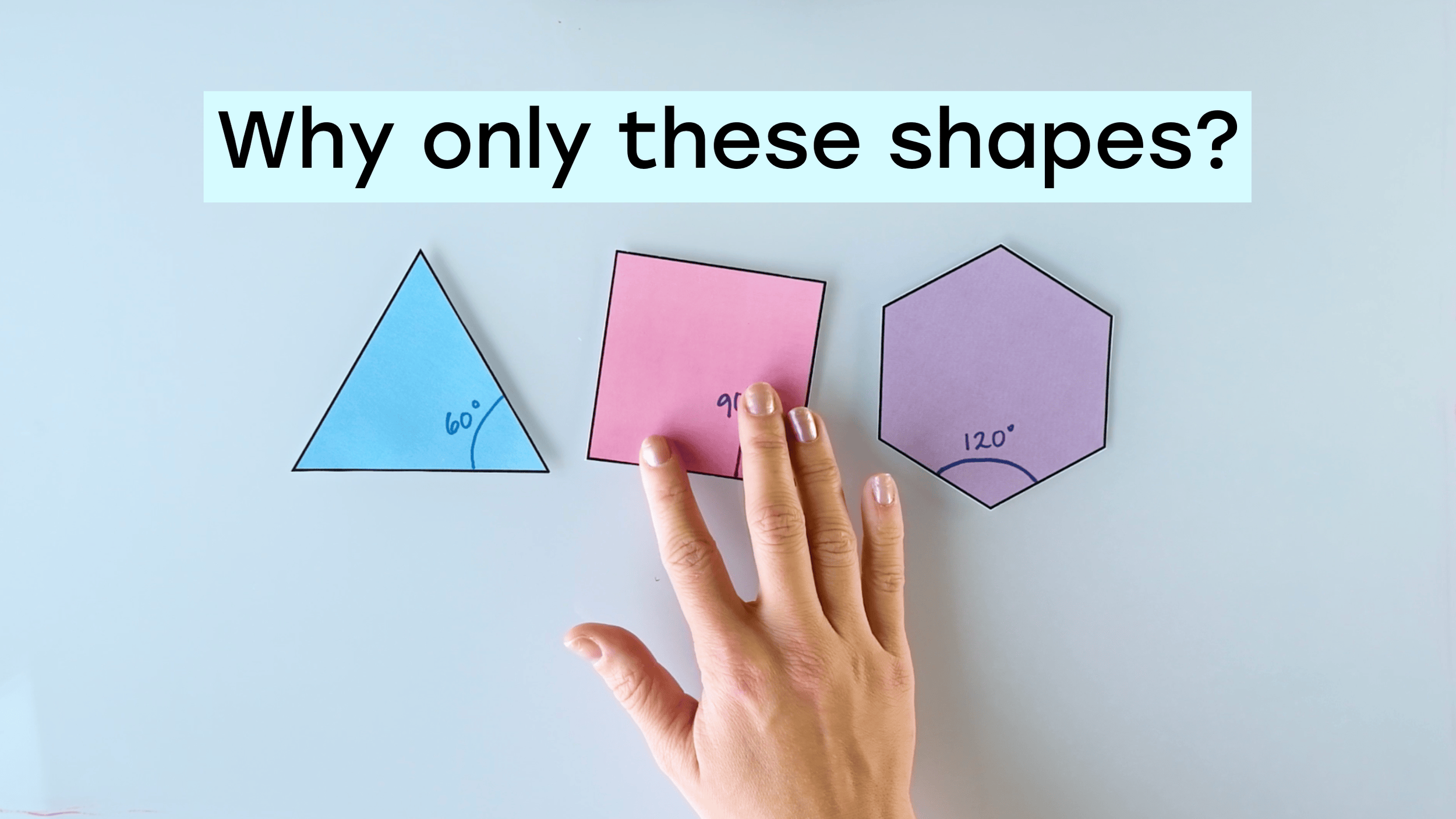
Explore how hands-on geometry activities build spatial reasoning skills through manipulatives, pattern exploration, and real-world STEAM learning.
Read More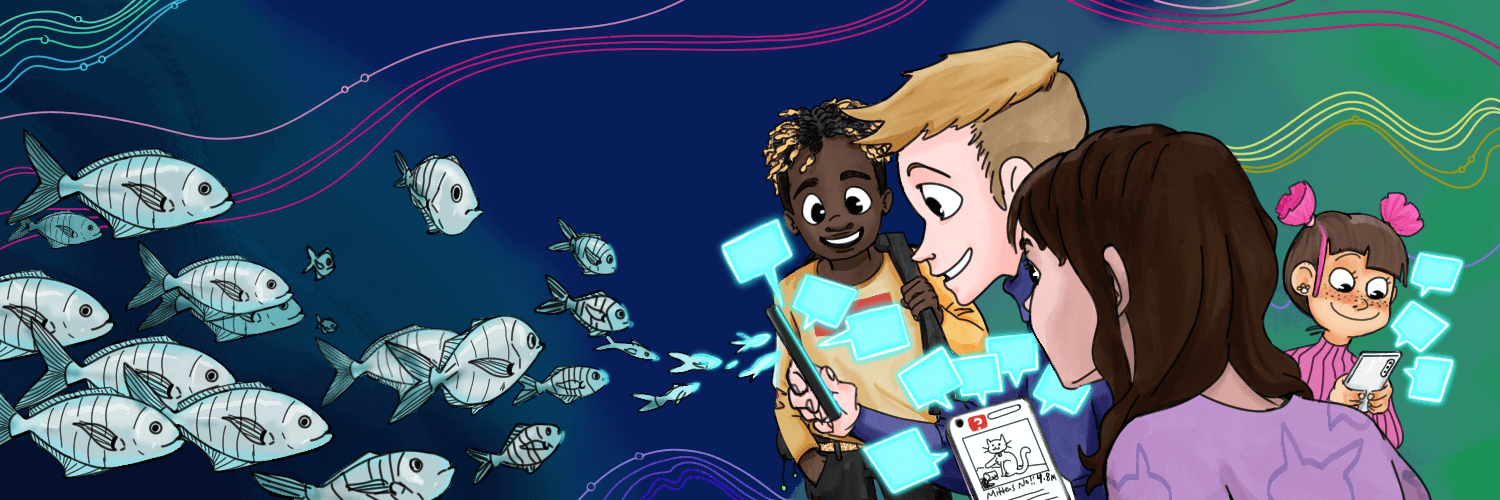
Featured Scientist, Guest Contributors | Albert Kao
Animal flocks give scientists – and students – an important way to clearly observe the structure and dynamics of social networks… This free Animal Collective unit gives high school and early college students a window into this rich field of...
Read More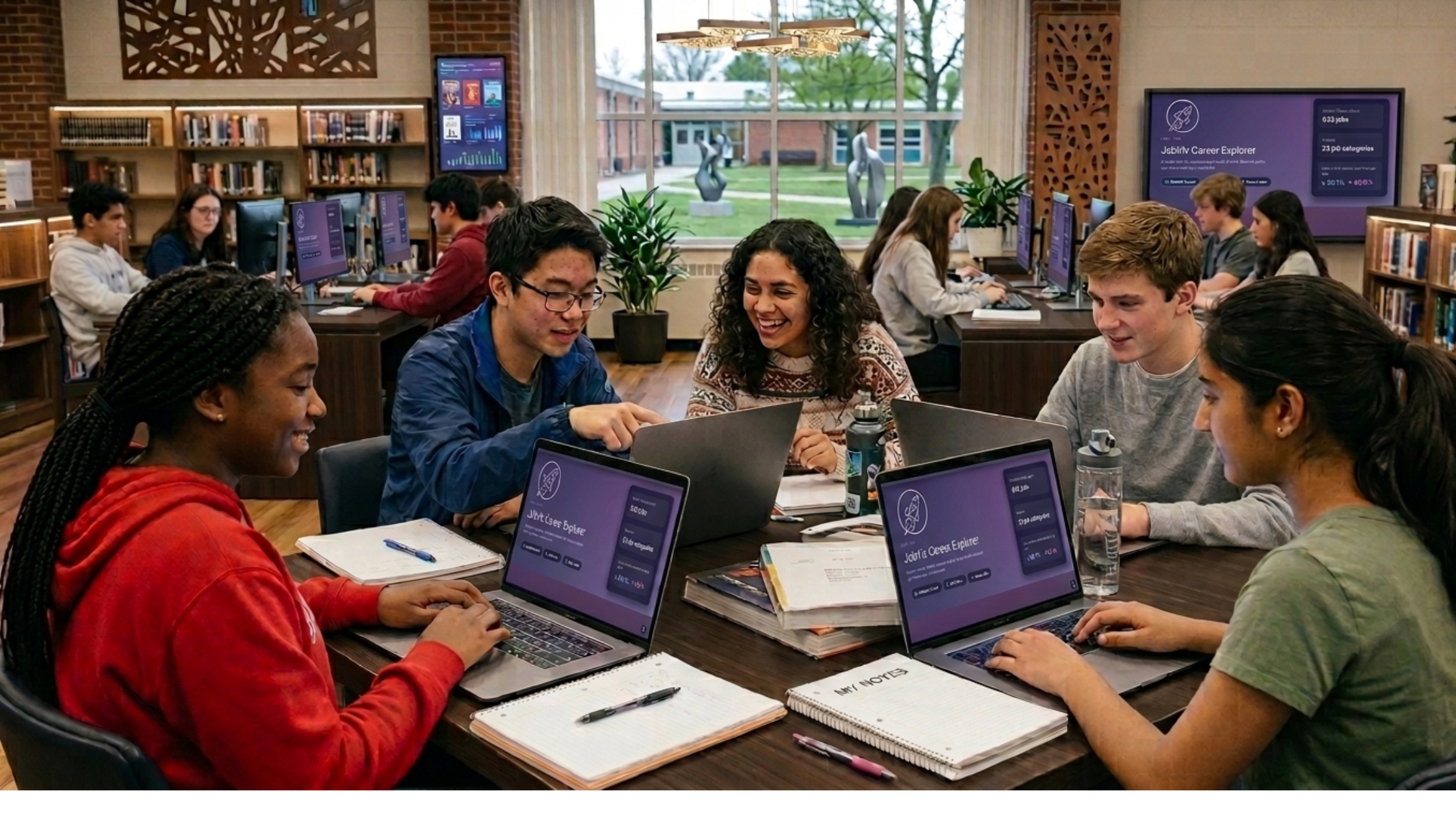
GP Team | The Galactic Polymath Team
Most students only know a fraction of the careers that exist in today’s economy. Their understanding is often shaped by what they see at home, online, or in the media.
Read More
JobViz Career Tours
When we say "You can do anything with your life if you work hard", let's unpack what that means! Let your students explore basic details and stats for 800+ jobs.
What teachers ask
No. We are interdisciplinary science — from Earth systems to food futures to engineering design.
Most resources fit grades 5-12, with extensions for upper middle school and college-level intros.
GP+ adds editable lesson files, Google Drive copies, and streamlined classroom prep tools.
 GP+
GP+