NGSS | Performance Expectation

HS-ETS1-4 classroom resources

Find FREE, ready-to-teach lessons, videos, and more for HS-ETS1-4 (Next Generation Science Standards). Built by scientists, teachers & artists.

Standard statement

HS-ETS1-4 | Performance Expectation

Grades 9-12

Use a computer simulation to model the impact of proposed solutions to a complex real-world problem with numerous criteria and constraints on interactions within and between systems relevant to the problem.


Standards-Aligned Resources

Created with purpose: see how resources connect to this standard.

Show
GradeAll
AlignmentAll

Showing 2 of 2 units

Unit

Community Immunity: A simulation-based exploration of vaccination choices

Grades

8-12

Community Immunity unit banner

Using simulations and role play, students explore how knowledge, social influences, access, and policy all influence whether individuals vaccinate. They then see how vaccination rates of a community determine whether an outbreak turns into an epidemic or gets stopped in its tracks.

Alignment summary( Target)

Lesson 1

In Lesson 1, students interact with the Community Immunity Simulation model. They make pathway decisions to set different criteria and contraints surrounding the potential for a community epidemic.

Included resources

2 lessons and 1 supporting media item.

Show resource details2 items
Open unit

Unit

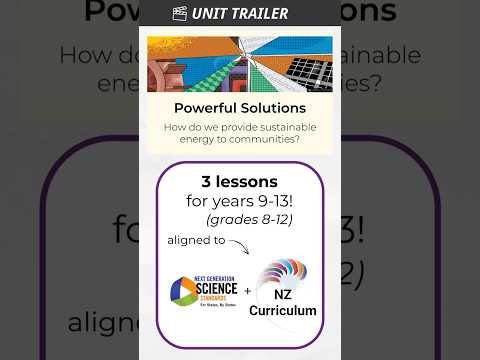
Mā te rauhiringa tātou e ora: Powerful Solutions: How do we provide sustainable energy to communities?

Grades

9-13

Mā te rauhiringa tātou e ora: Powerful Solutions unit banner

Learn about the energy all around us through a hands-on power generating lab, a web app exploring resilient energy mixes, and stories about Māui’s innovation. In Te Reo Māori, the unit title translates to "It is through positive energy that we thrive." This unit connects to Māori leadership in self-sufficiency and sustainability as inspiration for the future of energy engineering!

Alignment summary( Target)

Lesson 2

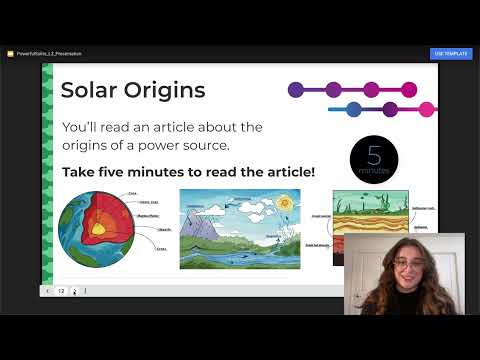
In Lesson 2, students use a simulation that models power generation and consumption in a small community. By prioritizing efficiency, stability, cost, community values, or environmental impact students interact with the simulation to explore resource management.

Included resources

3 lessons and 6 supporting media items.

Show resource details5 items

Additional Resources

Supporting videos

Open unit

Keep exploring

Get Support

Let us know how we can help.